
Regional Express Under New Owner Air T: What Rex Flyers Need to Know

Regional Express has a new owner and a clear plan to rebuild. After a turbulent two years that included voluntary administration, the end of its Boeing 737 jet flights and months of government support, Regional Express (better known as Rex Airlines) was bought outright by US aviation group Air T, with the deal completing on 18 December 2025. Rex now runs more than 1,000 flights a week across regional Australia using the world’s largest Saab 340 fleet, and it plans to put more of those aircraft back in the air.
This guide explains what happened to Regional Express, who Air T is, what the new owner has promised, which routes have changed in 2026, and what all of it means if you fly Rex. Every key fact has been checked against official announcements, and the sources are listed at the end.
Table of Contents
Regional Express at a Glance
Here is a quick snapshot of Regional Express as it stands in late 2026.
| Detail | Regional Express (Rex) |
|---|---|
| Founded | 2002, from the merger of Hazelton Airlines and Kendell Airlines |
| Headquarters | Mascot, New South Wales |
| Owner | Air T, Inc. (100%), since 18 December 2025 |
| Fleet type | Saab 340 turboprops (the world’s largest Saab 340 fleet) |
| Aircraft flying at handover | About 31 |
| Fleet goal | About 45 flying within two years of the takeover |
| Weekly flights | More than 1,000 |
| Loyalty programme | Rex Flyer |

A Short History of Rex
Rex was born out of the collapse of Ansett Australia in 2001. When Ansett failed, its regional subsidiaries Hazelton Airlines and Kendell Airlines were left without a parent. A consortium called Australiawide Airlines, set up by former Ansett employees, bought both carriers and merged them. The combined airline was formed on 11 July 2002 and started flying as Regional Express on 2 August 2002.
For most of the next two decades, Regional Express stuck to a simple model: fly small turboprops on routes that link country towns with state capitals. Many of those routes are too thin for bigger airlines, and on some of them Rex is the only scheduled carrier. Over time it grew into Australia’s second-largest regional airline by number of regional destinations, behind QantasLink.
Along the way the Rex group added other businesses, including the charter and freight operator Pel-Air and a pilot school, the Australian Airline Pilot Academy, with campuses at Wagga Wagga and Ballarat. Pel-Air was sold to the Toll Group in October 2024 as part of the restructuring.
The Jet Gamble That Changed Rex
In 2020, when the pandemic left Australia’s domestic market in turmoil and Virgin Australia in administration, Regional Express made a bold move. It leased Boeing 737-800 jets, several of them previously flown by Virgin Australia, and launched flights between capital cities. The first jet service, Melbourne to Sydney, took off on 1 March 2021.
The jet network put Rex head to head with Qantas and Virgin Australia on Australia’s busiest routes. Passengers gained more choice and lower fares on some city pairs, but the jet operation was expensive to run and difficult to make profitable against two much larger rivals.
Why the jets mattered
Running a jet fleet needs different pilots, engineers, spare parts and airport slots from running a turboprop fleet. For Rex, the 737 business added cost and complexity without the scale its rivals enjoy. When cash ran short in 2024, the jets were the first part of the airline to go.
Rex Administration: What Happened in 2024
At the end of July 2024, Regional Express entered voluntary administration, with administrators appointed from EY. Capital-city jet bookings were stopped on 30 July 2024 and the remaining 737 flights were cancelled the next day. The regional Saab 340 network kept flying, which was vital for the many towns that depend on Rex.
The Australian Government stepped in to protect regional air links. It underwrote continuing regional operations, set up a funding facility, and in January 2025 bought about $50 million of Rex debt from the airline’s senior lender. In February 2025 the government said it would buy the airline itself if no suitable buyer was found. The Federal Court also extended the administration period more than once to give the administrators time to find that buyer.
Rex administration timeline
| Date | Event |
|---|---|
| 30–31 July 2024 | Rex enters voluntary administration; 737 jet flights end |
| August 2024 | Government guarantees regional flights or refunds for customers |
| October 2024 | Pel-Air sold to the Toll Group |
| January 2025 | Government buys about $50 million of debt from senior lender PAG |
| February 2025 | Government says it will buy Rex if no buyer is found |
| October 2025 | Administrators sign a sale agreement with Air T |
| 18 December 2025 | Air T completes the takeover |
| May 2026 | Government repays Rex debts owed to regional airports |
The Rex administration lasted around 17 months from start to finish. That is long by airline standards, but the airline kept flying regional routes for the whole period, so most regional passengers saw little change day to day.

Who Is Air T, the New Owner of Regional Express?
Air T, Inc. is a publicly listed aviation holding company based in Minneapolis in the United States. According to its own FAQ about the deal, the company was founded more than 40 years ago and owns 15 aviation businesses covering aircraft operations, maintenance, leasing, parts, manufacturing and data services.
- Turboprop experience: Air T owns two FedEx feeder airlines, Mountain Air Cargo and CSA Air, which fly more than 100 turboprop aircraft.
- Saab support: Worthington Aviation, another Air T company, will support the Saab 340 fleet with parts and engineering know-how.
- A first for Air T: Rex is Air T’s first fully Australian operation and its first passenger airline.
That background matters. Air T is not a buyer that wants to turn Rex into a jet airline again. Its strength is keeping older turboprops flying reliably and economically, which is exactly what Regional Express needs.
How the Air T Sale Worked
The administrators signed a sale agreement with Air T in October 2025. Air T announced on 18 December 2025 that the deal had closed and that it owned 100% of the airline. The financial terms were kept confidential, but some details are public:
- Air T arranged an AUD 50 million credit facility, funded by one of its investor partners, to help return aircraft to service.
- The Commonwealth restructured the debt Rex owed it and provided a new loan to support the acquisition.
- In May 2026, the government repaid the debts Rex owed to regional airports, removing a lingering worry for councils that run those airports.
What Air T Has Promised for Rex
Air T’s plan for Regional Express is often summed up by its “Return to Classic Rex” slogan: focus on the regional network that made the airline successful in the first place.
More aircraft back in service
When the deal closed, Regional Express had about 31 Saab 340s actively flying. Air T says it aims to have about 45 flying within two years. Its earlier deal FAQ went further and spoke of restoring all 47 Saab 340s. Either way, the direction is clear: more aircraft available means more spare capacity, fewer cancellations when an aircraft is out of service and, over time, more frequent flights. Air T believes the Saab fleet can keep flying for another 10 to 15 years with the right support.
Same brand, same people
Air T has said the Rex name, identity and management team stay in place, and that all employees were retained. The airline also plans to hire more pilots and engineers as aircraft return. In Air T’s words, the airline is in “growth mode, not contraction”.
Existing routes kept
At the time of the sale, Air T said existing routes and essential services would continue and that the network would be rebuilt. As the next section shows, that does not mean every route is safe: Rex can still drop services that stop making money.

Rex Airlines Route Changes in 2026
In October 2026, Rex Airlines suspended two routes from Sydney, both flown by Saab 340s with about 18 flights a week each:
| Route | Change | From | Other direct airline |
|---|---|---|---|
| Sydney – Orange | Suspended | 25 October 2026 | QantasLink |
| Sydney – Port Macquarie | Suspended | 25 October 2026 | QantasLink |
Regional Express blamed persistently high fuel prices and weak demand, and described the suspensions as temporary. It said it would keep watching fuel prices and could bring the flights back if they become commercially viable again.
If you were booked on these flights
Regional Express said it would contact affected customers directly. Passengers booked on the suspended flights from 25 October 2026 can choose a full refund or move to another Rex service at no extra cost, subject to availability. QantasLink continues to fly both routes, so it is now the only direct airline between Sydney and these two towns.
Flying the Saab 340: What to Expect on Board
Every Regional Express flight today uses the Saab 340, a twin-engine turboprop built in Sweden. The last new Saab 340s were delivered in the late 1990s, so the aircraft are not new, but they are well suited to short regional routes and small airports. Air T’s confidence that the fleet can fly for many more years rests on good maintenance and a steady supply of parts.
- Cabin layout: the Saab 340 has one seat on one side of the aisle and two on the other, so solo travellers can often get a seat with no neighbour.
- Boarding: at many regional airports you walk across the apron and board by stairs rather than an air bridge, so dress for the weather.
- Noise and comfort: turboprops are louder than jets and fly lower, which can mean more bumps in poor weather. Flights are usually short, often under two hours.
- Views: the high wing and lower cruising height mean good views of the countryside from most window seats.
- Space: overhead lockers are small, so larger cabin bags may be taken at the aircraft door and returned when you land.
If you are nervous about small aircraft, it may help to know that turboprops like the Saab 340 are widely used by regional airlines around the world because they are efficient and dependable on short sectors.
What the Regional Express Takeover Means for Travellers
For many people in regional Australia, Rex is not just one airline among many. On a number of routes it is the only scheduled link to a capital city, used for hospital appointments, family visits, work and study. A stable owner for Regional Express is therefore good news.
- Better reliability: more aircraft in service gives Regional Express spare aircraft to cover breakdowns, which should mean fewer last-minute cancellations.
- More flights over time: Air T has said a larger active fleet should allow more frequency on key routes.
- Fares: Rex now competes mainly on regional routes, not in the capital-city jet market, so do not expect a return to cheap Sydney–Melbourne jet fares from Rex.
- Route risk: as the Orange and Port Macquarie suspensions show, routes that lose money can still be cut, especially while fuel prices are high.
Rex vs QantasLink: Choosing Your Regional Flight
On many regional routes your choice is between Regional Express and QantasLink, the regional arm of Qantas. QantasLink serves the largest number of regional destinations in Australia, with Rex in second place. Here is how to decide:
- Compare the total price: check what each fare includes, such as checked baggage, seat selection and changes, before you compare the headline price.
- Think about connections: if you are connecting to a Qantas flight on one ticket, QantasLink may make transfers simpler. Rex flights are usually booked separately.
- Check the timetable: on thin routes, the best airline is often the one with a departure time that suits you.
- Loyalty: frequent Qantas flyers may earn more value from QantasLink, while regular Rex customers can use Rex Flyer.
7 Essential Tips for Flying Rex Airlines
- Book direct for disruption help: booking on the Rex website makes it easier to change or get a refund if a flight is cancelled.
- Pack light: the Saab 340 cabin is small and overhead lockers are tight, so check the carry-on size and weight limits before you fly.
- Check baggage rules for your fare: what is included can vary by fare type, so confirm before you book. Our Rex Airlines guide covers baggage, fares and check-in.
- Watch your power bank: Australian airlines ban using or charging power banks in flight. Read our power bank rules guide before you pack.
- Book early on thin routes: some regional routes only have a few flights a day, and the cheapest seats go first.
- Allow time for connections: if your Rex flight connects with another airline on a separate ticket, leave a generous gap in case of delays.
- Keep an eye on schedule changes: while the network is being rebuilt, timetables can change. Check your booking a few days before you travel.
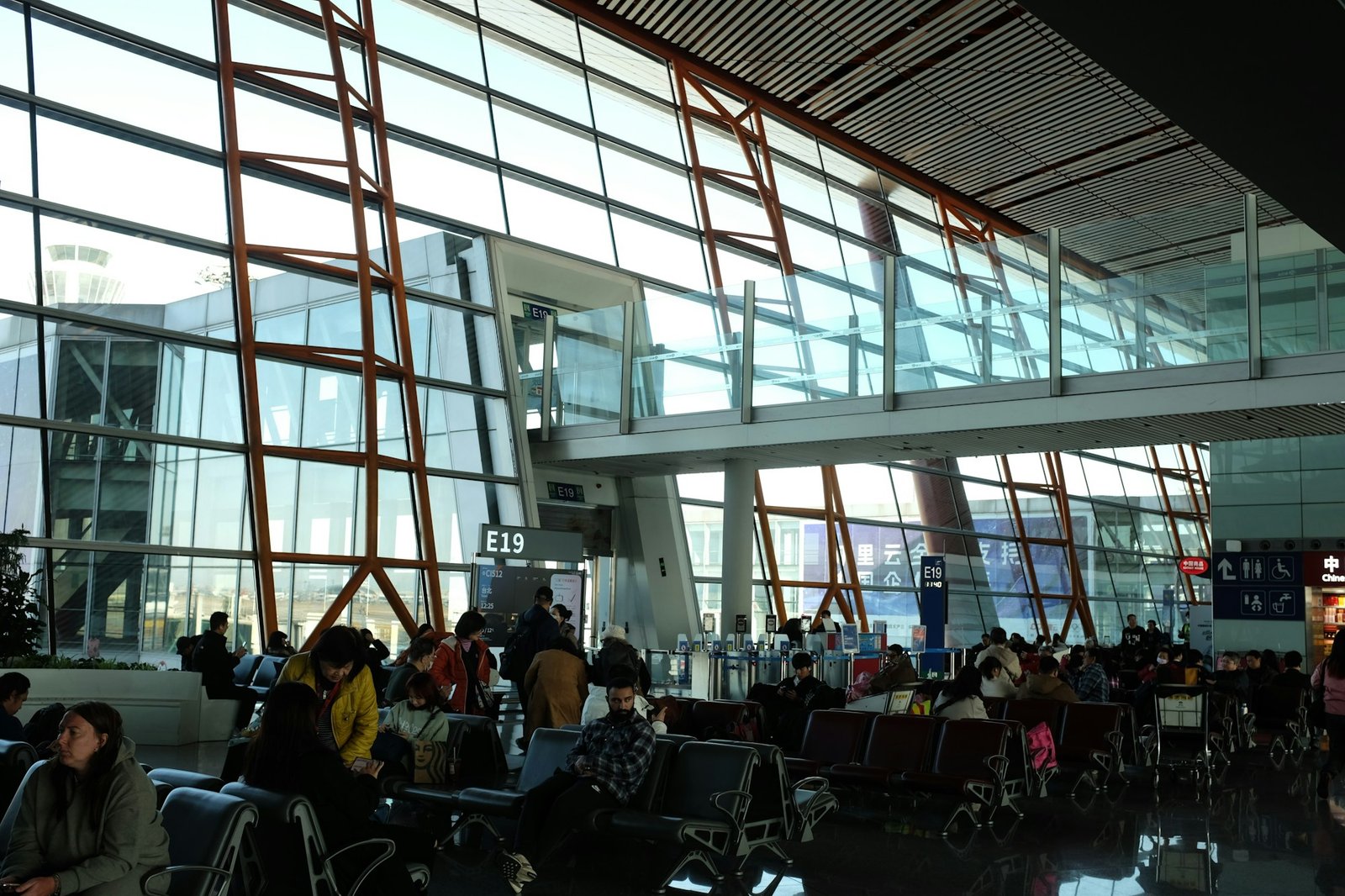
Why Regional Express Matters to Country Australia
Regional air services do a job that roads and rail often cannot. Distances in Australia are long, and for people in towns hundreds of kilometres from a capital city, a one-hour flight can replace a full day of driving. That is why governments have treated Regional Express as essential infrastructure rather than just another business.
Many Rex routes carry patients travelling to specialist medical care, students heading to university, workers on fly-in fly-out rosters and families visiting relatives. When Regional Express entered administration, regional councils, which own and run many of the airports Rex uses, were also exposed through unpaid airport charges. The government’s repayment of those airport debts in May 2026 eased that pressure.
Keeping these links alive was a key reason the government supported the airline through administration and backed the sale to an owner focused on regional flying rather than on capital-city jets.
Rex Airlines Outlook: What to Watch in 2027
Over the next year, three things will show whether the new Regional Express is working:
- Fleet numbers: progress from about 31 active Saab 340 aircraft towards the target of about 45.
- Route stability: whether suspended routes such as Sydney–Orange return, or whether more routes are cut while fuel stays expensive.
- Reliability: on-time performance and cancellation rates, which should improve as more spare aircraft become available.
You can compare Rex with other Australian airlines in our airline guides.
Regional Express FAQs
Who owns Regional Express now?
Air T, Inc., a US aviation holding company based in Minneapolis, owns 100% of Regional Express. The acquisition closed on 18 December 2025.
Is Rex Airlines still flying?
Yes. Rex Airlines kept flying its regional Saab 340 network throughout administration and now operates more than 1,000 flights a week across regional Australia.
Does Rex still fly jets between capital cities?
No. Rex stopped its Boeing 737 jet flights in July 2024 when it entered administration, and the new owner is focused on the regional turboprop network.
Why did Rex suspend Sydney–Orange and Sydney–Port Macquarie?
Rex cited high fuel prices and weak demand. The suspensions start on 25 October 2026 and Rex says they are temporary. QantasLink still flies both routes.
What happens if my Rex flight was cancelled by a route suspension?
Rex says affected customers can take a full refund or move to another Rex flight at no extra cost, subject to availability, and will be contacted directly.
How many aircraft does Regional Express fly?
About 31 Saab 340s were flying when Air T took over, with a goal of about 45 within two years. Rex operates the world’s largest Saab 340 fleet.
Facts checked in October 2026 against Air T’s announcement of the completed acquisition, the Air T and Rex FAQ and reporting on the 2026 route suspensions. Schedules and policies can change, so check with Rex before you travel.