
Seoul to Tokyo Flights
Every airline flying Seoul to Tokyo nonstop, Incheon and Gimpo to Narita and Haneda, flight times both ways, baggage rules compared and live fares.
- 7 airlinesFlying the route
- 2 h 40 min – 2 h 55 minFlight time
- ICN · GMP · NRT · HNDAirports
- Route reviewed
Search Seoul – Tokyo flights
Every airline on the route, one search, both directions.
Cheapest Seoul – Tokyo Fares
Pick your direction and airport to see the lowest fares our partners have found recently, by airline and date.
SeoulTokyo
TokyoSeoul
Fares are the lowest recently found by our partners and change quickly. Select a fare to check the live price and seats.
Airlines Flying Seoul to Tokyo
Checked against each airline's own timetable or route map in November 2026.
-
 Korean Air guide
Korean Air
Flies Incheon–Narita, Incheon–Haneda and Gimpo–Haneda; takes over Asiana's flights from 17 December 2026
-
Japan Airlines (JAL) guide
Japan Airlines (JAL)
Haneda–Gimpo, Haneda–Incheon and Narita–Incheon; two 23 kg bags in Economy
-
ANA (All Nippon Airways) guide
ANA (All Nippon Airways)
Flies Haneda–Gimpo
-
Asiana Airlines guide
Asiana Airlines
Incheon–Narita and Gimpo–Haneda; merges into Korean Air on 17 December 2026
-
Jeju Air guide
Jeju Air
Low-cost; Incheon–Narita
-
Jin Air guide
Jin Air
Low-cost; Incheon–Narita, 15 kg bag on regular fares to Japan
-
Peach Aviation guide
Peach Aviation
Low-cost; daily Narita–Incheon since 20 September 2026


Seasonal flights and codeshares change, so the live fares above are the best guide to who flies on your dates.
Seoul to Tokyo Airlines Compared
Economy rules on each airline's cheapest fare, from our airline guides. Open a guide for every fare type and the official source.
| Airline | Cabin bag | Checked bag (cheapest fare) | Airport check-in closes | Changes (cheapest fare) |
|---|---|---|---|---|
| Korean Air | 1 bag up to 55 × 40 × 20 cm plus a personal item, 10 kg total | Economy (most international routes): 1 × 23 kg | Online check-in 48 hours to 1 hour before; counters close 1 hour before international flights | Economy Saver and Standard: changes and refunds for a fee; Economy Flex: free in class Y |
| Japan Airlines (JAL) | 1 bag up to 55 × 40 × 25 cm plus a personal item, 10 kg combined | Economy and Premium Economy: 2 × 23 kg | Online check-in 24 hours to 1 hour before; airport check-in by 60 minutes before; gate about 30 minutes before | Special: changes for a fee, no refund; Semi-Flex: changes allowed, refund for a fee; Flex: changes and refunds |
| ANA (All Nippon Airways) | 1 bag plus 1 personal item, 10 kg combined; up to 55 × 40 × 25 cm | Economy: 0–2 × 23 kg depending on fare and route; Value Plus and higher: 2 bags | Online check-in from 24 hours; international check-in closes 60 minutes before; gate at least 30 minutes before | Basic and Light: no changes or refunds; Value: changes for a fee; Value Plus and Flex: free changes |
| Asiana Airlines | 1 bag up to 10 kg and 115 cm, plus a personal item | Economy (international, non-US): 1 × 23 kg; Korean Air rules from 17 December 2026 | Online check-in from 48 hours before; airport deadlines vary by airport | Discounted fares: change and refund fees; flexible fares: lower or no fees |
| Jeju Air | Bag plus personal item, 10 kg total; carry-on 115 cm | BASIC: none; STANDARD: 15 kg; BIZ LITE: 30 kg | Mobile check-in 24 hours to 1 hour 30 minutes before; boarding closes 15 minutes before international flights | From Korea: BASIC 60,000 KRW; STANDARD and BIZ LITE 40,000 KRW per change |
| Jin Air | 1 piece up to 10 kg and 115 cm, plus a personal item | Japan: 1 × 15 kg on regular fares; special fares may have none | Online check-in on the website and app; Incheon self bag drop up to 1 hour before | Change or cancel on the website or app; fees depend on the fare |
| Peach Aviation | 2 items (bag and personal item), 7 kg in total | Minimum: none; Standard and Standard Plus: 1 bag up to 20 kg | International check-in opens 120 and closes 50 minutes before; gate closes 30 minutes before | Minimum: no changes or refund; Standard: no changes; Standard Plus: fare difference only |
Seoul and Tokyo Airports
Seoul airports
- ICNSeoul Incheon InternationalMost flights and all low-cost airlines; AREX train to Seoul Station
- GMPSeoul Gimpo InternationalCloser to the city; Korean Air, Asiana, Japan Airlines and ANA to Haneda
Tokyo airports
- NRTTokyo NaritaMost low-cost flights; Narita Express and Keisei Skyliner to Tokyo
- HNDTokyo HanedaClosest to central Tokyo; full-service airlines from Gimpo and Incheon
Tips for Flying Seoul to Tokyo
- Compare the total price for Seoul to Tokyo flights: Korean Air and Japan Airlines include checked bags, while the cheapest Jeju Air and Peach fares have none.
- Fly Gimpo–Haneda if you want the shortest trip from city centre to city centre; fly Incheon–Narita for the most choice and lowest fares.
- There is no time difference between Seoul and Tokyo, so your arrival time is simply the departure time plus about two and a half hours.
- If you are booking for after 17 December 2026, check whether your Asiana flight will follow Korean Air's rules after the merger.
- Peach allows only 7 kg of cabin baggage in total, less than the 10 kg on the Korean airlines.
- Avoid Chuseok, Lunar New Year, Golden Week and Obon if you can, when Seoul to Tokyo fares rise fastest.
About the Seoul to Tokyo Route
Seoul to Tokyo flights link the capitals of South Korea and Japan in under three hours, and Seoul Incheon to Tokyo Narita has become one of the busiest international air routes in the world. Korean and Japanese full-service airlines compete with low-cost airlines on three airport pairs, so there is plenty of choice when you look for cheap flights from Seoul to Tokyo. This page covers both directions: who flies the route, which airports to choose, how long the flight takes, how the airlines’ baggage and check-in rules compare, and the cheapest fares our partners have found recently.
Table of Contents
Direct flights from Seoul to Tokyo
Korean Air flies Incheon (ICN) to Narita (NRT), Incheon to Haneda (HND) and Gimpo (GMP) to Haneda. Japan Airlines flies Haneda–Gimpo, Haneda–Incheon and Narita–Incheon, and ANA flies between Gimpo and Haneda. Asiana Airlines counts Incheon–Narita among its main routes, but Asiana is due to merge into Korean Air on 17 December 2026, after which its flights move to Korean Air.
The low-cost airlines Jeju Air and Jin Air fly from Incheon to Narita, and Japan’s Peach started a daily Narita–Incheon flight on 20 September 2026. Together these airlines run Seoul to Tokyo flights throughout the day, so you can choose a departure that suits a weekend break, a business trip or a connection.
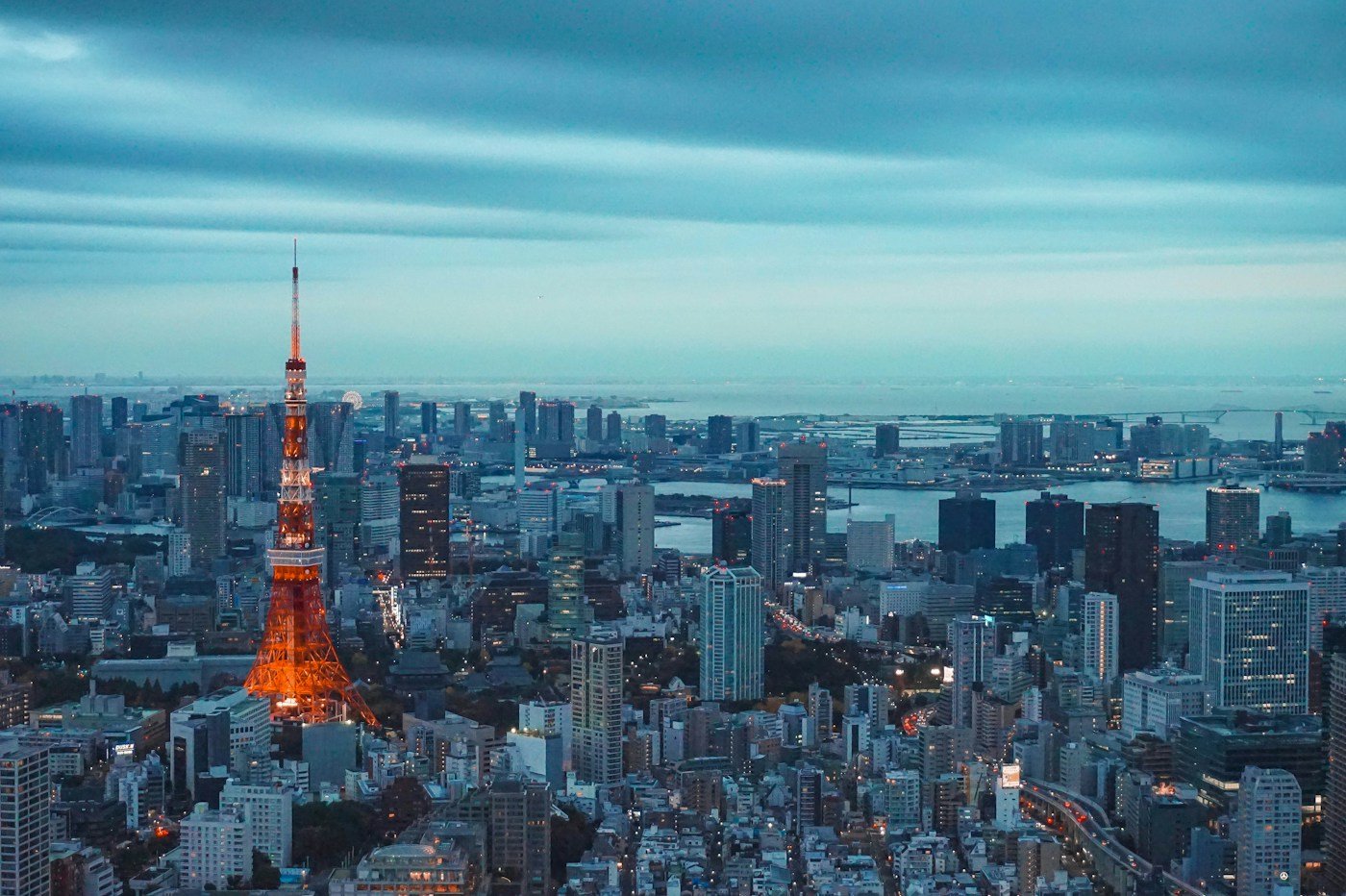
Seoul to Tokyo flight time
Seoul to Tokyo flights are short. On Peach’s timetable, the Narita to Incheon flight is scheduled at 2 hours 55 minutes and the Incheon to Narita flight at 2 hours 40 minutes, gate to gate. Times on other airlines and airport pairs are similar, so allow roughly two and a half to three hours. Seoul and Tokyo are both on GMT+9 and neither country uses daylight saving time, so there is no time difference: your arrival time is simply the departure time plus the flight time.
Incheon or Gimpo, Narita or Haneda?
Seoul has two airports with flights to Tokyo. Incheon International Airport, about 50 km west of the city, has the most Seoul to Tokyo flights and all the low-cost airlines. Gimpo International Airport is much closer to central Seoul and quicker to pass through, but only the full-service airlines fly from Gimpo to Haneda. The AREX airport railway links both airports with Seoul Station.
Tokyo also has two airports. Haneda is close to the city centre, with fast train links on the Keikyu line and the Tokyo Monorail. Narita is about 60 km east of central Tokyo, linked by the Narita Express and the Keisei Skyliner. A Gimpo–Haneda flight saves the most time on the ground; an Incheon–Narita flight usually has the lowest fares and the most choice. Compare all three airport pairs in the search box above.
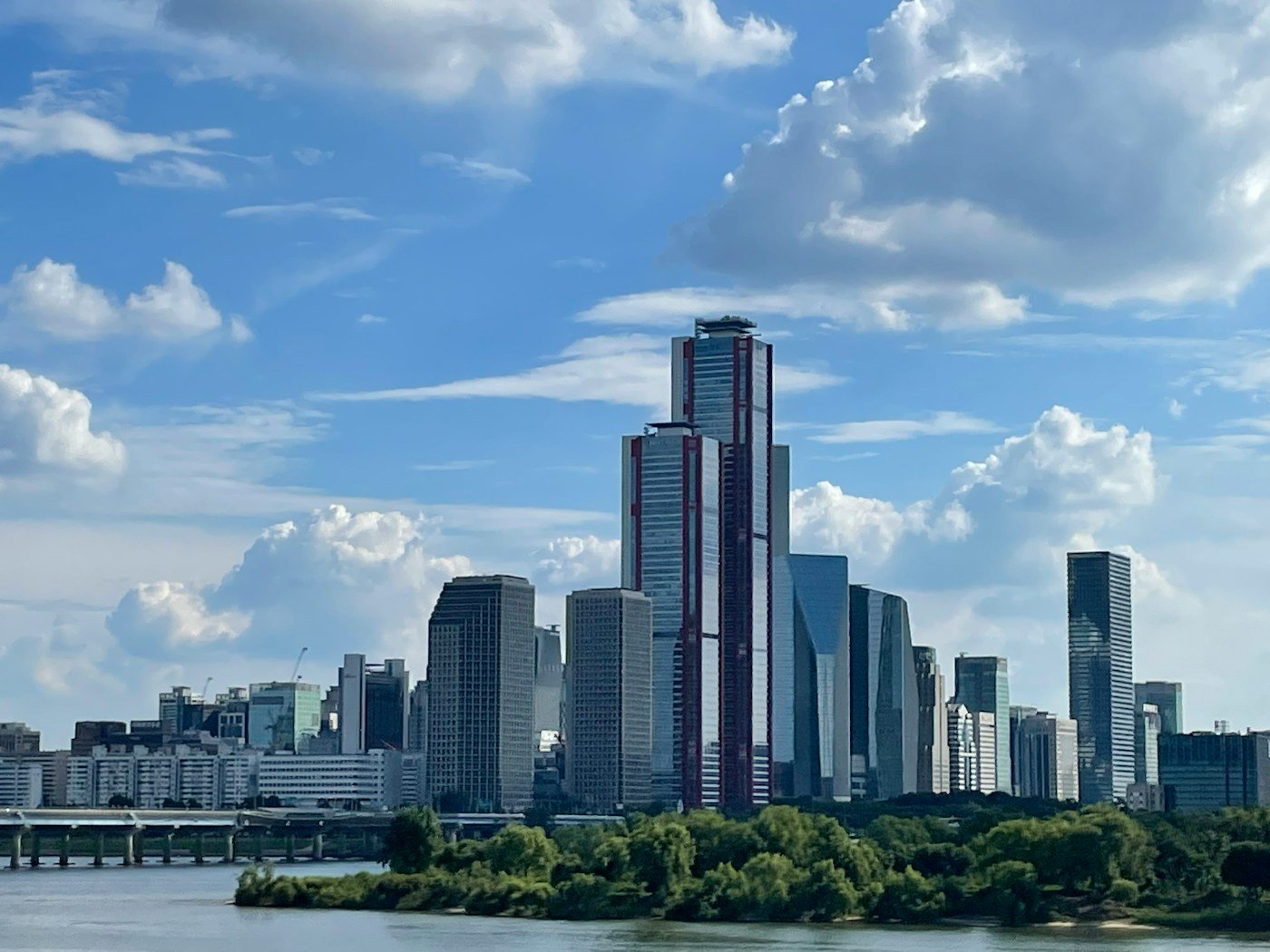
Baggage and check-in compared
Baggage rules differ more on Seoul to Tokyo flights than on most routes. Korean Air includes one 23 kg bag on Economy fares on most international routes, and Japan Airlines includes two 23 kg bags in Economy. ANA includes between none and two bags depending on the fare. The low-cost airlines are stricter: Jeju Air’s BASIC fare has no checked bag and STANDARD includes 15 kg, Jin Air includes 15 kg to Japan on regular fares but special fares may have none, and Peach’s Minimum fare has no checked bag while Standard includes one bag of up to 20 kg.
Cabin bags are limited to 10 kg on Korean Air, Asiana, Japan Airlines, ANA, Jeju Air and Jin Air, but only 7 kg in total on Peach. Check-in deadlines are tight on Peach, whose international counters close 50 minutes before departure and gates 30 minutes before. The comparison table below has the details, each airline guide lists every fare type, and our cabin bag size table covers more than 180 airlines.
How to find cheap flights from Seoul to Tokyo
With so many airlines and three airport pairs, cheap Seoul to Tokyo flights are easy to find outside the busiest dates. Low-cost fares on Jeju Air, Jin Air and Peach usually have the lowest headline prices on Incheon–Narita, but a checked bag can add a lot to the total. Korean Air and Japan Airlines include bags and sometimes cost little more once you compare like for like. Check the live fares above for both directions, compare Incheon–Narita with Gimpo–Haneda, and be flexible by a day or two.
Fares rise around Chuseok and Lunar New Year in Korea, Golden Week in Japan in late April and early May, the Obon holidays in mid-August, and the school holidays in both countries. Midweek Seoul to Tokyo flights outside these periods are usually the cheapest.
Flying Korean Air and Asiana from Seoul to Tokyo
Korean Air is Korea’s largest airline and flies to both Tokyo airports, from Incheon to Narita and Haneda and from Gimpo to Haneda. Its Economy cabin bag allowance is one bag plus a personal item, 10 kg in total, and most Economy fares on international routes include one 23 kg checked bag. Online check-in is open from 48 hours to 1 hour before departure, and airport counters close 1 hour before international flights.
Asiana Airlines is leaving Star Alliance on 16 December 2026 and is due to merge into Korean Air on 17 December 2026. Asiana tickets already issued remain valid, and after the merger Korean Air’s baggage and check-in rules apply. If you book a Seoul to Tokyo flight for after mid-December 2026, check which airline’s rules apply to your ticket.
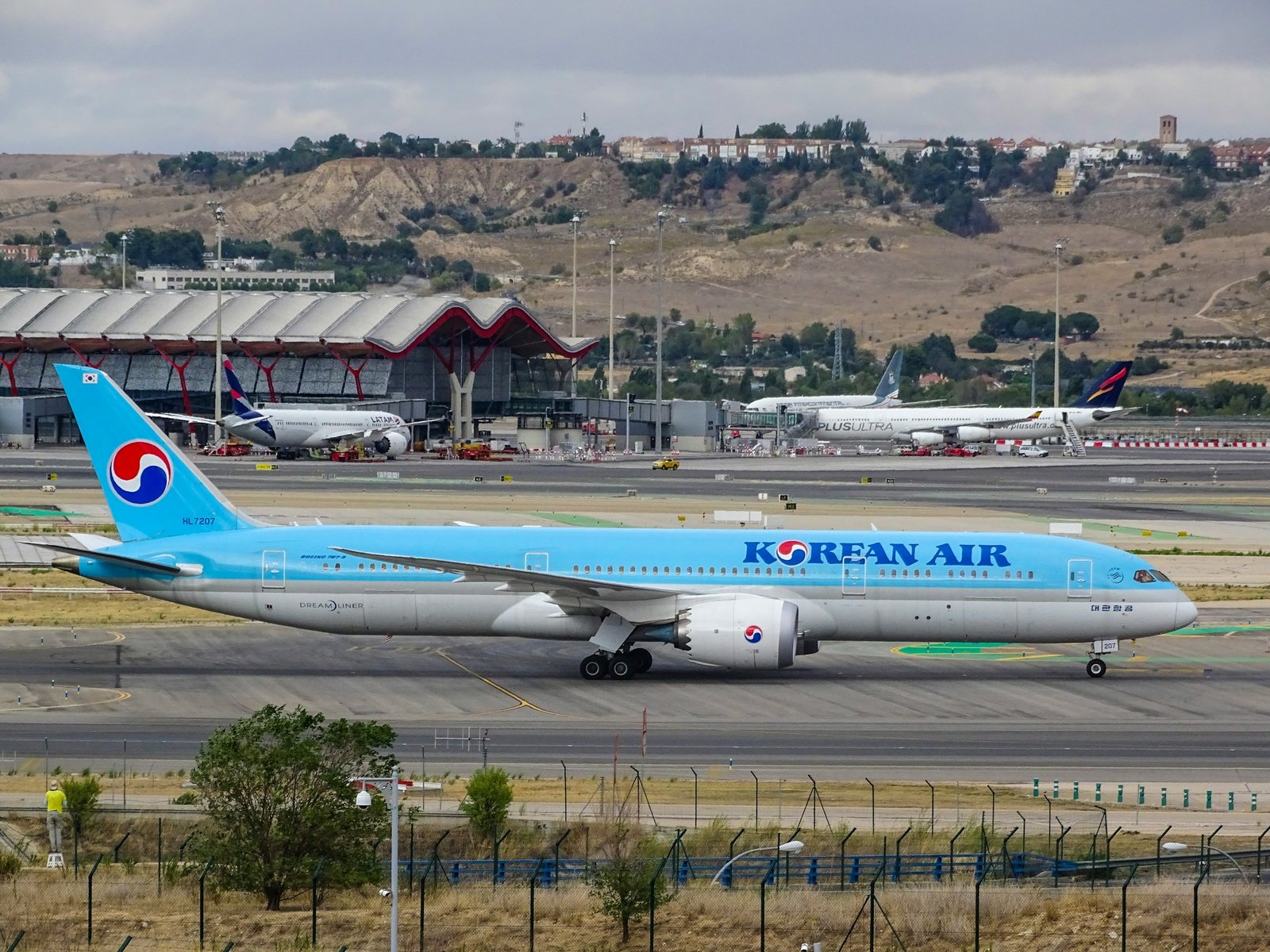
Flying Japan Airlines and ANA
Japan Airlines and ANA are Japan’s two full-service airlines. Japan Airlines includes two 23 kg checked bags in Economy and a 10 kg cabin allowance, and its Special fares can be changed for a fee but not refunded. ANA’s baggage depends on the fare: Basic, Light and Value fares include up to two bags depending on the route, while Value Plus and higher fares include two bags in every class. Both close international check-in 60 minutes before departure and ask you to be at the gate at least 30 minutes before.
Japan Airlines is a oneworld member and ANA a Star Alliance member, so you can earn miles with partners such as British Airways, Qantas, United or Lufthansa. Their Haneda flights are the most convenient for central Tokyo.
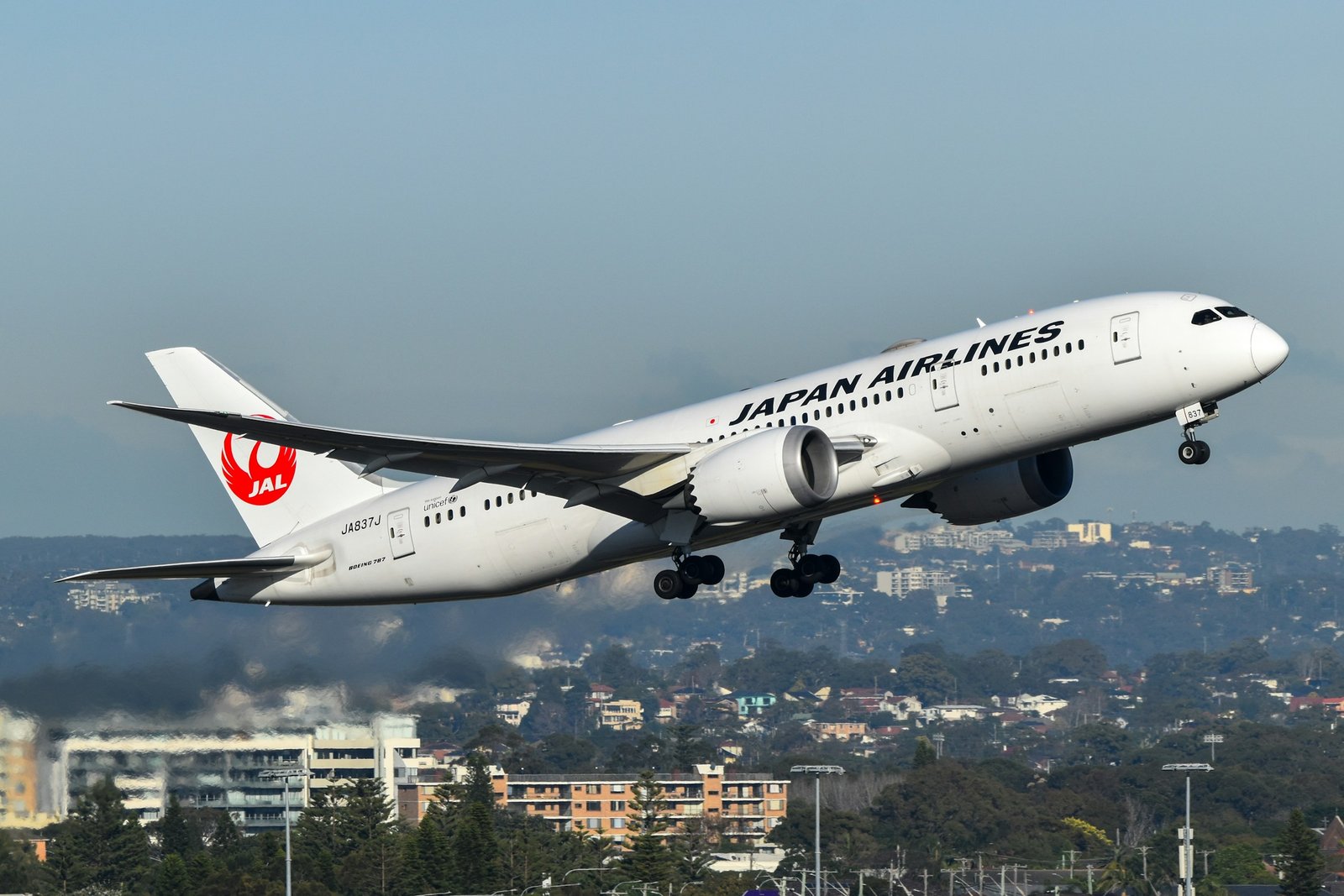
Flying Jeju Air, Jin Air and Peach
Jeju Air is Korea’s largest low-cost airline. All its fares include a cabin bag and a personal item up to 10 kg in total; BASIC has no checked bag, STANDARD includes 15 kg and BIZ LITE 30 kg. A change costs 60,000 KRW on BASIC and 40,000 KRW on STANDARD when you start in Korea. Jin Air, the low-cost airline of the Korean Air group, includes a 15 kg bag on regular fares to Japan, and you can use its self bag drop at Incheon up to 1 hour before departure.
Peach is a Japanese low-cost airline. It started its daily Narita–Incheon flight on 20 September 2026, leaving Narita Terminal 1 in the morning and returning from Incheon in the early afternoon. Its Minimum fare cannot be changed or refunded, and Standard Plus can be changed for the fare difference only.
Tokyo to Seoul flights
Every airline on this page also sells Tokyo to Seoul flights, and the return flight takes about the same time. Allow extra time to reach Narita, which is about an hour from central Tokyo by express train, while Haneda is much quicker to get to. In Seoul, the AREX train runs from Incheon and Gimpo to Seoul Station, and Gimpo is also on several subway lines. If you have a choice, a Haneda–Gimpo flight is usually the fastest city-centre to city-centre option.
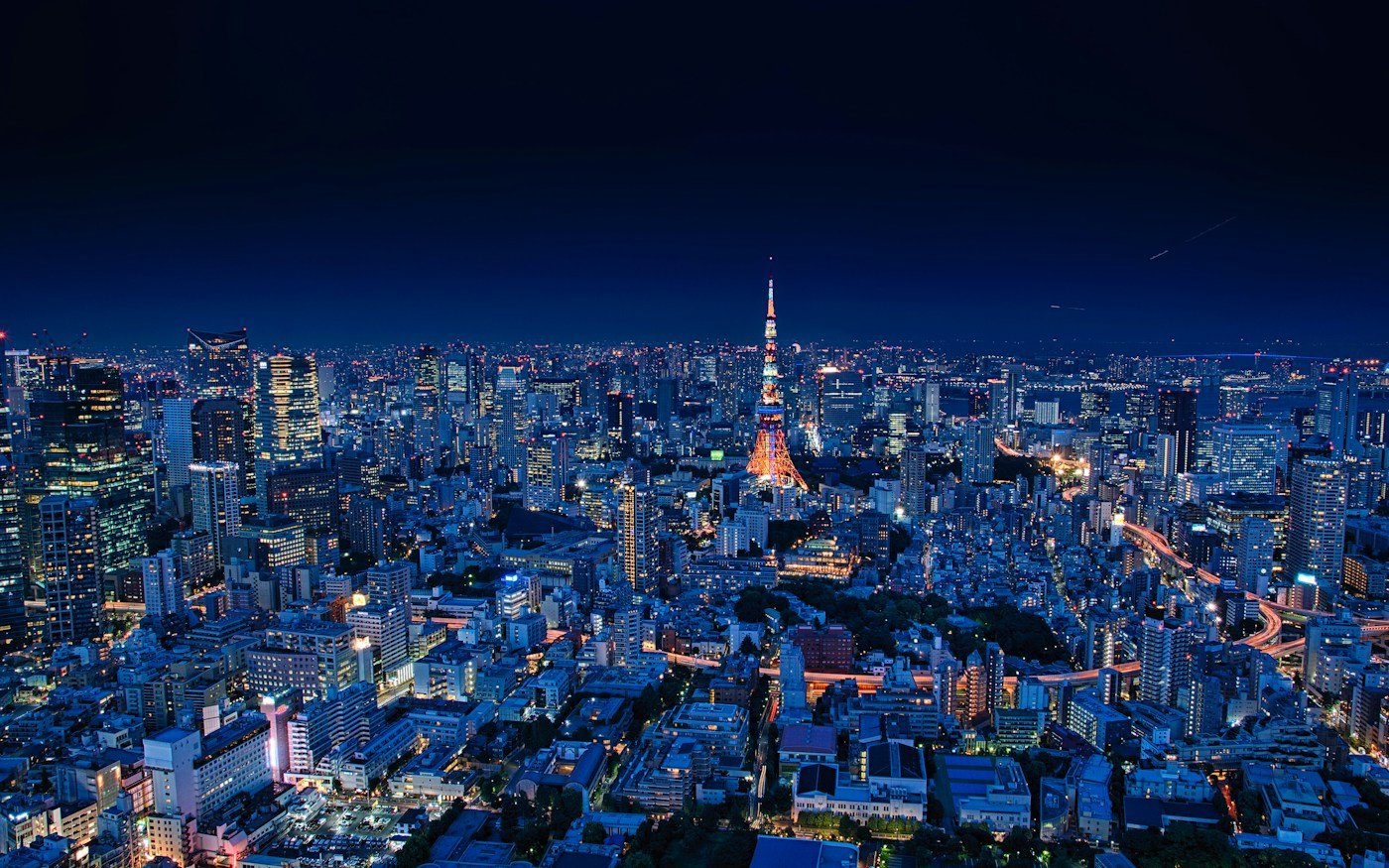
When is the best time to fly from Seoul to Tokyo?
Spring, from late March to May, brings cherry blossom in both cities, and autumn, from October to November, has mild weather and colourful leaves, so both seasons are popular and fares can be higher. Summer is hot and humid, with a rainy season in June and July and occasional typhoons in late summer. The cheapest Seoul to Tokyo flights are usually in winter, outside the New Year holidays, and midweek all year.
If your dates are flexible, set a fare alert and compare Seoul to Tokyo flights for a few days either side of your plans. Prices for Seoul to Tokyo flights often change by the day, and the cheapest day can be a Tuesday or Wednesday rather than the weekend. Booking a few weeks ahead usually gives the best mix of price and choice of flight times.
Before you travel to Tokyo
Entry rules depend on your passport. Check the latest requirements for Japan, and use the official Visit Japan Web service to complete immigration and customs forms before you land. For the return to Korea, check whether you need a K-ETA travel authorisation for your passport. To compare other routes, see our flight routes page.
Seoul to Tokyo Flights: FAQs
Which airports do Seoul to Tokyo flights use?
Flights on this route use Seoul Incheon International (ICN), Seoul Gimpo International (GMP), Tokyo Narita (NRT) and Tokyo Haneda (HND). Check which airport your ticket shows before you travel.
How long is the flight from Seoul to Tokyo?
About two and a half to three hours. Peach schedules Incheon to Narita at 2 hours 40 minutes and Narita to Incheon at 2 hours 55 minutes.
Is there a time difference between Seoul and Tokyo?
No. Both are on GMT+9 all year, and neither uses daylight saving time.
Which airlines fly direct from Seoul to Tokyo?
Korean Air, Asiana Airlines, Japan Airlines, ANA, Jeju Air, Jin Air and Peach. Asiana merges into Korean Air on 17 December 2026.
Should I fly into Narita or Haneda?
Haneda is much closer to central Tokyo and is served from Gimpo and Incheon by the full-service airlines. Narita has more flights from Incheon, including all the low-cost airlines, and often lower fares.
How much baggage is included on Seoul to Tokyo flights?
Korean Air includes one 23 kg bag on most Economy fares and Japan Airlines two 23 kg bags. Jeju Air's BASIC fare and Peach's Minimum fare include no checked bag.
Are there cheap flights from Seoul to Tokyo?
Yes. With low-cost airlines on Incheon–Narita and full-service airlines on three airport pairs, Seoul to Tokyo flights are often cheap midweek and outside Korean and Japanese holidays. Compare the total price with bags.
Sources: Korean Air Seoul–Tokyo, Japan Airlines Tokyo–Seoul, ANA Seoul–Tokyo, Narita Airport: Peach Narita–Incheon, Peach press release (schedule), FlightSelects Asiana guide (official merger notices), AeroRoutes (third-party), Korean Air–Asiana NW26 changes. Last checked 26 November 2026. How we check airline facts.
Airline names, logos and trademarks belong to their owners and are used for identification only. FlightSelects is not affiliated with these airlines. FlightSelects may earn a commission when you book through partner links, at no extra cost to you.